
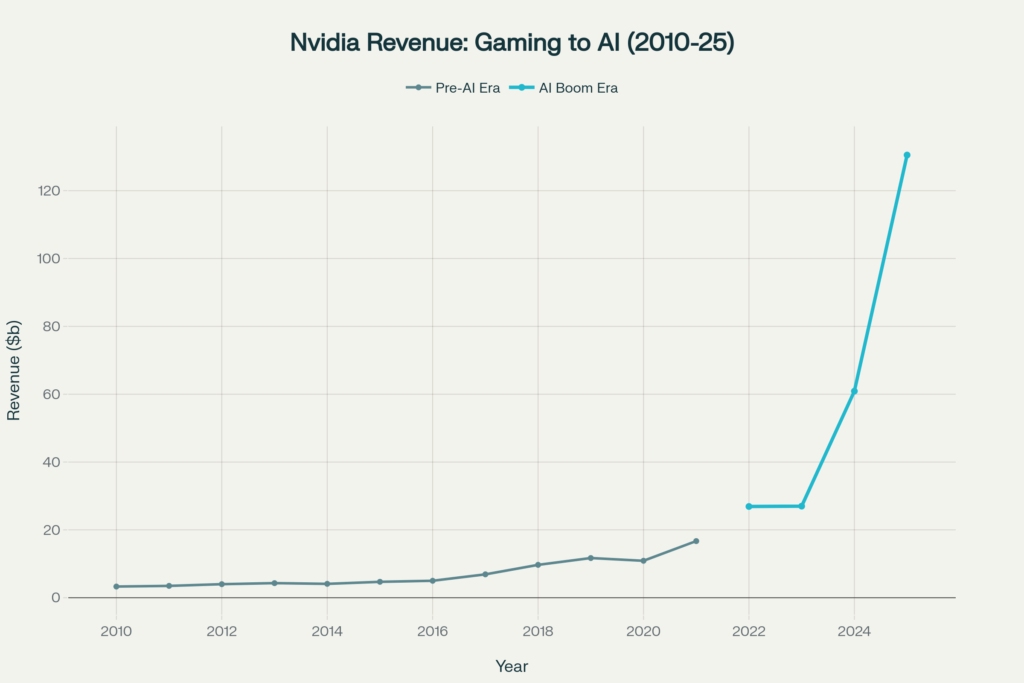
A Taiwanese immigrant who once cleaned toilets at a reform school built a graphics-card company that nearly went bankrupt three times — and in July 2025 became the first company on Earth worth $4 trillion.

The Unlikely Beginning From Dishwasher to Dream Builder

Jensen Huang's path to Silicon Valley began in the most unlikely circumstances. Born in Taiwan in 1963, he was sent at age nine to live with his uncle in Tacoma, Washington[1]. What his uncle believed was a prestigious boarding school turned out to be the Oneida Baptist Institute in Kentucky—a reform school for "difficult" children. There, young Jensen was forced to clean toilets daily while his brother worked on a tobacco farm. The boys faced relentless bullying, ethnic slurs, and were even threatened with knives.

"I remember being scared and being sad," Huang later told the BBC. "On the other hand, you are just a kid and you land in America and everything is big and beautiful and bright with amazing restaurants like McDonald's and Pizza Hut.

The SEGA Gamble: Honor, Survival, and Unexpected Grace
In 1994, SEGA signed a $5 million contract with Nvidia to develop graphics chips for their upcoming console[7]. For a company running out of cash, this was a lifeline—but also a trap.

Nvidia spent a full year trying to adapt their quadratic rendering for SEGA. Huang faced an agonizing decision. The company had no working product to deliver to SEGA, they had spent enormous resources, they were months away from bankruptcy. And when Microsoft announced that DirectX would only support triangle-based architecture, it became clear that If they continued with the SEGA partnership, they would be left even further behind in the rapidly evolving PC market.

The Birth of the GPU: GeForce 256 and Defining a Category
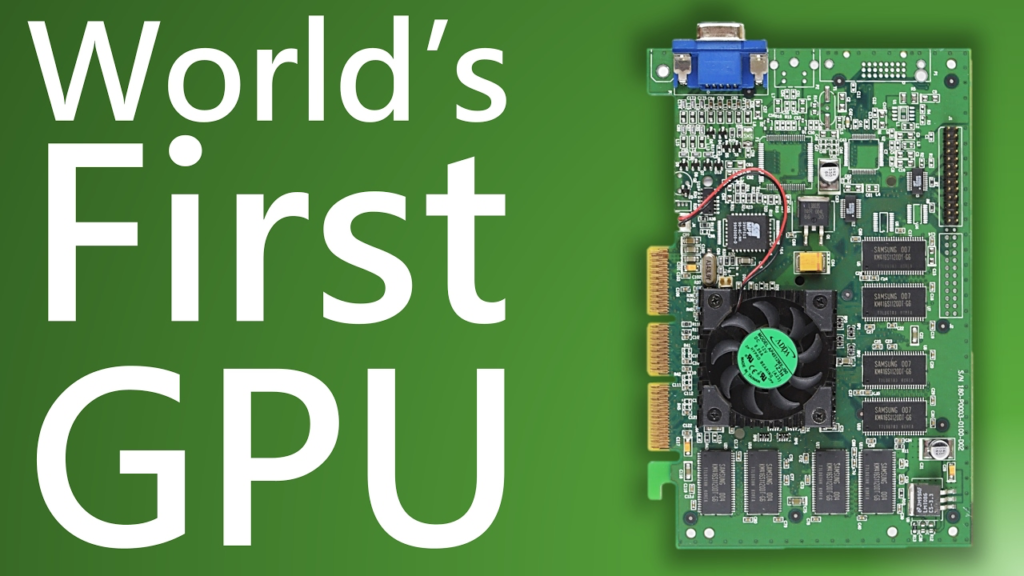
Nvidia's GeForce 256, recognized as the world's first GPU, marking a major technological breakthrough in graphics processing.

It all started with products more like simulating games while putting acceleration into," explained Nvidia executive Catanzaro. "It took a lot of commitment to do it I would say it was about ten years before Wall Street really started to believe the investment was worth anything.

The AI Awakening From Research Curiosity to Strategic Transformation
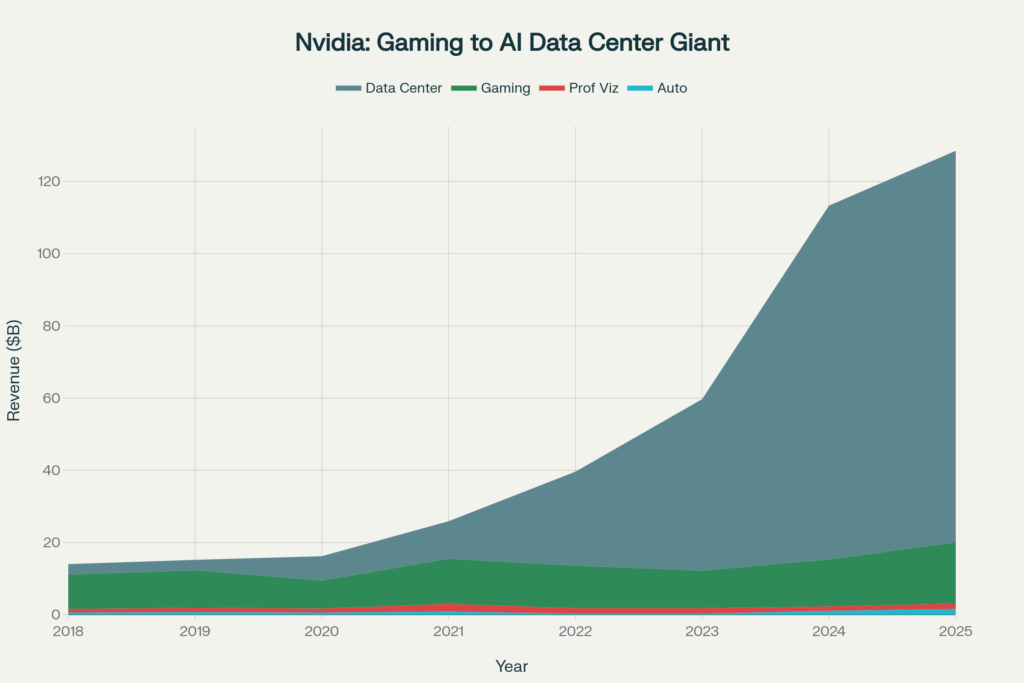
Everything from, obviously, we just are talking about commerce all the way to science. You realize that maybe this could affect a very large part of the world's industries. Almost every piece of software in the world would eventually be programmed this way Huang predicted. This insight drove a company-wide strategic shift. Nvidia began aggressively courting AI researchers, providing them with specialized hardware and software tools. Huang started attending AI conferences regularly, meeting pioneers like Yann LeCun, Andrew Ng, and Jeff Hinton. The company's first DGX system a specialized AI computer was delivered to OpenAI in 2016.

Building a company and building Nvidia turned out to have been a million times harder than I expected it to be, any of us expected it to be.At that time, if we realized the pain and suffering, just how vulnerable you're going to feel, and the challenges that you're going to endure, the embarrassment and the shame, and the list of all the things that go wrong, I don't think anybody would start a company. Nobody in their right mind would do it.

Leave a Reply

Your email address will not be published. Required fields are marked *